
What is metal? Metal types, properties and the history of metal
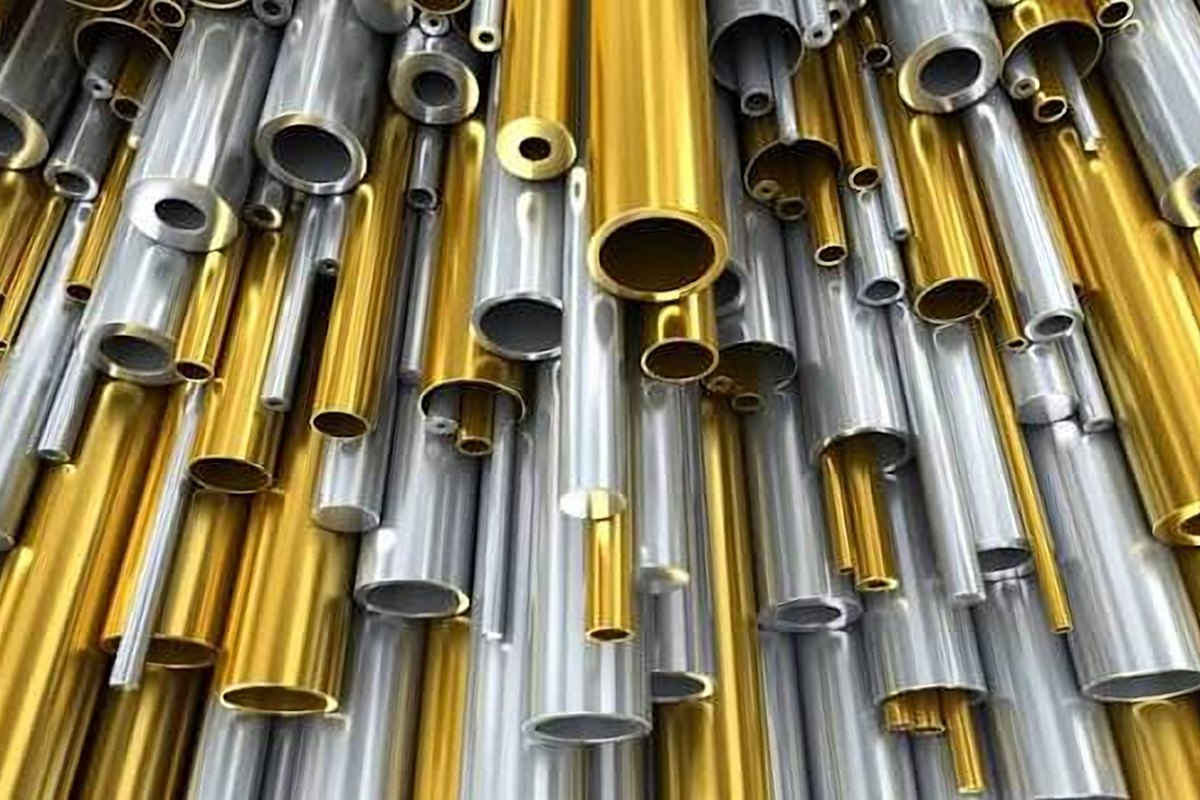
Metal is one of the oldest and most widely used materials in human history. From tools to bridges, from kitchenware to furniture, many of the things around us are made of metal. In this guide we explain from start to finish what metal is, what properties it has, the types of metal and the history of metal.
What is metal?
Metal is a group of materials that look shiny, conduct heat and electricity well, are usually hard and durable, and can be shaped. Most of the elements in the periodic table are metals; iron, copper, aluminum, gold and silver are the best known. In nature, metals are mostly found as compounds inside rocks called ores. Melting and refining are used to obtain pure metal from the ore.
Common properties of metals
Although different metals behave differently, most of them share these properties:
- Luster: Clean and finished surfaces reflect light, which is why metal surfaces look shiny.
- Conductivity: They carry heat and electricity well. This is why copper and aluminum are used in cables and plumbing.
- Malleability and ductility: Metals can be hammered into sheets without breaking, drawn into wire and bent.
- Durability: Many metals carry heavy loads and withstand impact; strong, long-lasting products are made this way.
- Usually solid: Metals are mostly solid at room temperature. Mercury is the well-known exception; it is a liquid.
Metal types
Metals are classified in several ways. The most commonly used distinctions are below.
Ferrous and non-ferrous metals
Metals that contain iron are called ferrous metals; iron and steel belong to this group. Ferrous metals are generally very strong, are attracted to magnets and can rust if not protected. Metals that do not contain iron are called non-ferrous metals; aluminum, copper, zinc, tin and titanium fall into this group. Non-ferrous metals are generally lighter and do not rust like iron.
Pure metal and alloy
An alloy is a material obtained by mixing a metal with another metal or another element. The aim is to bring hardness, strength, color or corrosion resistance to the desired level. Most of the metals we use in daily life are not pure metals but alloys:
- Steel: An alloy of iron and a small amount of carbon. It is harder and stronger than iron.
- Stainless steel: Obtained by adding at least about 10.5 percent chromium to steel. Chromium forms a protective layer on the surface, which gives resistance to rust. It comes in grades such as 304 and 316; see our article on 304 and 316 stainless steel for the differences.
- Brass: An alloy of copper and zinc. It is often used in decoration for its warm, gold-toned look.
- Bronze: Mainly an alloy of copper and tin. It has been used since very early periods in history.
Common metals and where they are used
- Iron: The basic material in construction and machine building; it is rarely used in pure form and is mostly processed into steel.
- Aluminum: Light and corrosion-resistant. It is the most abundant metal in the Earth's crust and is used from packaging to aircraft bodies.
- Copper: Conducts electricity and heat very well. It is used in cables, plumbing and heat exchangers.
- Titanium: Light, very strong and highly resistant to corrosion. It is preferred in aviation and medicine.
- Zinc and tin: Mostly used as coatings and in alloys; zinc is also applied to protect steel from rust.
- Gold, silver and platinum: These are precious metals. They are rare and resistant to corrosion, and are used in jewelry, investment and electronics.
Light, heavy and precious metals
Metals are also divided by density into light (aluminum, titanium) and heavy (lead, copper, iron). Those that are rare, do not easily deteriorate and have high economic value are called precious metals.
The history of metal
The history of metal is intertwined with the history of humankind. From prehistory to today, the use of metal has even given its names to whole ages.
Copper and gold: the first metals
People first met metal through copper and gold found in pure form in nature. These metals were hammered into beads, ornaments and small tools. In Anatolia, settlements such as Çayönü show traces of copper being worked very early (around the 8th millennium B.C.). Gold, on the other hand, is known from the finds at the Varna cemetery in Bulgaria, dated to roughly 4600–4200 B.C., among the oldest worked gold known. Obtaining copper by smelting it from its ore began to spread around the 5th millennium B.C.
The Bronze Age
When tin was added to copper, bronze was obtained, an alloy that is harder and easier to work. In the Bronze Age, which began in the Near East around 3300 B.C., weapons, tools, ornaments and vessels were made of bronze. Because tin was not found everywhere, long-distance metal trade developed in this period.
The Iron Age
Iron is far more abundant than copper and bronze, but melting and working it requires higher temperatures and more skill. Around 1200 B.C. iron working spread across the Near East and the Iron Age began. In Anatolia, the Hittite period is regarded as one of the early examples of ironworking. Iron tools were cheaper and stronger; agriculture, construction and weapons were transformed as a result.
Antiquity and the Middle Ages: the development of steel
The knowledge of making steel by adding carbon to iron was developed over centuries in different regions. Crucible steel produced in India, which became famous across a wide geography, was a sought-after material for swords and knives. In this period steel was produced in small quantities by master craftsmen, with great effort.
The Industrial Revolution and steel at scale
The method developed by Henry Bessemer in 1856 made it possible to produce steel cheaply and in large quantities. Railways, bridges, ships and tall buildings began to be built with steel. Modern industry took shape in this age.
The modern age: aluminum, stainless steel and titanium
Aluminum was first obtained in pure form in 1825; with the electrolysis method developed in 1886 (Hall-Héroult) it became a cheap and widespread metal. Stainless steel was developed in 1913 by the British metallurgist Harry Brearley and changed many fields from the kitchen to architecture. Titanium could be produced on an industrial scale with the Kroll process developed in the middle of the 20th century. Today, recycling is also an important part of the story of metal; steel and aluminum can be remelted and reused many times.
How is metal worked?
Metal products usually go through these stages: the raw material in sheet, tube or profile form is cut to size, bent, joined by welding and finally given a surface finish. The surface finish, whether polishing, brushing, sandblasting or painting, determines the appearance and durability of the product. We covered the surface options in our surface finishes article and the painting process in our how metal is painted article.
Why is metal preferred in furniture and design?
Because metal can carry high loads with a thin cross-section, it makes it possible to build products with clean lines and a simple, light look. With the right material and surface finish it keeps its form for years. If you wonder which metal suits which use, our material selection guide is a good place to start.
Frequently asked questions
What is metal, in short?
Metal is a group of materials with a shiny surface that conduct heat and electricity well and are generally hard, durable and shapeable. Iron, copper, aluminum, gold and silver are the best-known metals.
What is an alloy?
An alloy is a material obtained by mixing a metal with another metal or element. Steel, brass, bronze and stainless steel are all alloys.
Is steel a metal or an alloy?
Steel is an alloy of iron and a small amount of carbon. So steel is a metal material, and more precisely an alloy.
What was the first metal humans used?
The first known metals are copper and gold found in pure form in nature. Obtaining copper by smelting it from its ore became widespread in later periods.
Which metals stick to a magnet?
Iron, nickel and cobalt are magnetic metals. That is why iron and most steels are attracted to magnets. Aluminum, copper and brass do not stick to a magnet. Some grades of stainless steel are attracted to magnets and some are not; see our article on stainless steel and magnets for details.
Why does metal conduct electricity?
The outer electrons in the atoms of metals are not tightly bound to the atoms and can move freely within the material. These free electrons carry electric current and heat.
Write to us for metal products and custom production
At Anmora Atelier we offer design products made of stainless steel and metal and carry out project-specific metal production. Share your product, dimensions and application idea; let's clarify its feasibility and the quote together.
Next article: Material selection in metal projects: stainless steel, brass and painted steel